OncoLattice BioAAI Inc.

CRO Acceleration Intelligence

Already have a CRO? Use FIH Scout and RWD feasibility logic to move faster.

This service is built for sponsors that already selected a CRO, received a CRO feasibility package, or are moving through first-wave site startup. OncoLattice does not replace CRO execution. We serve as the sponsor-side intelligence layer that helps leadership pressure-test site priority, patient distribution, screening pressure, and CRO assumptions.
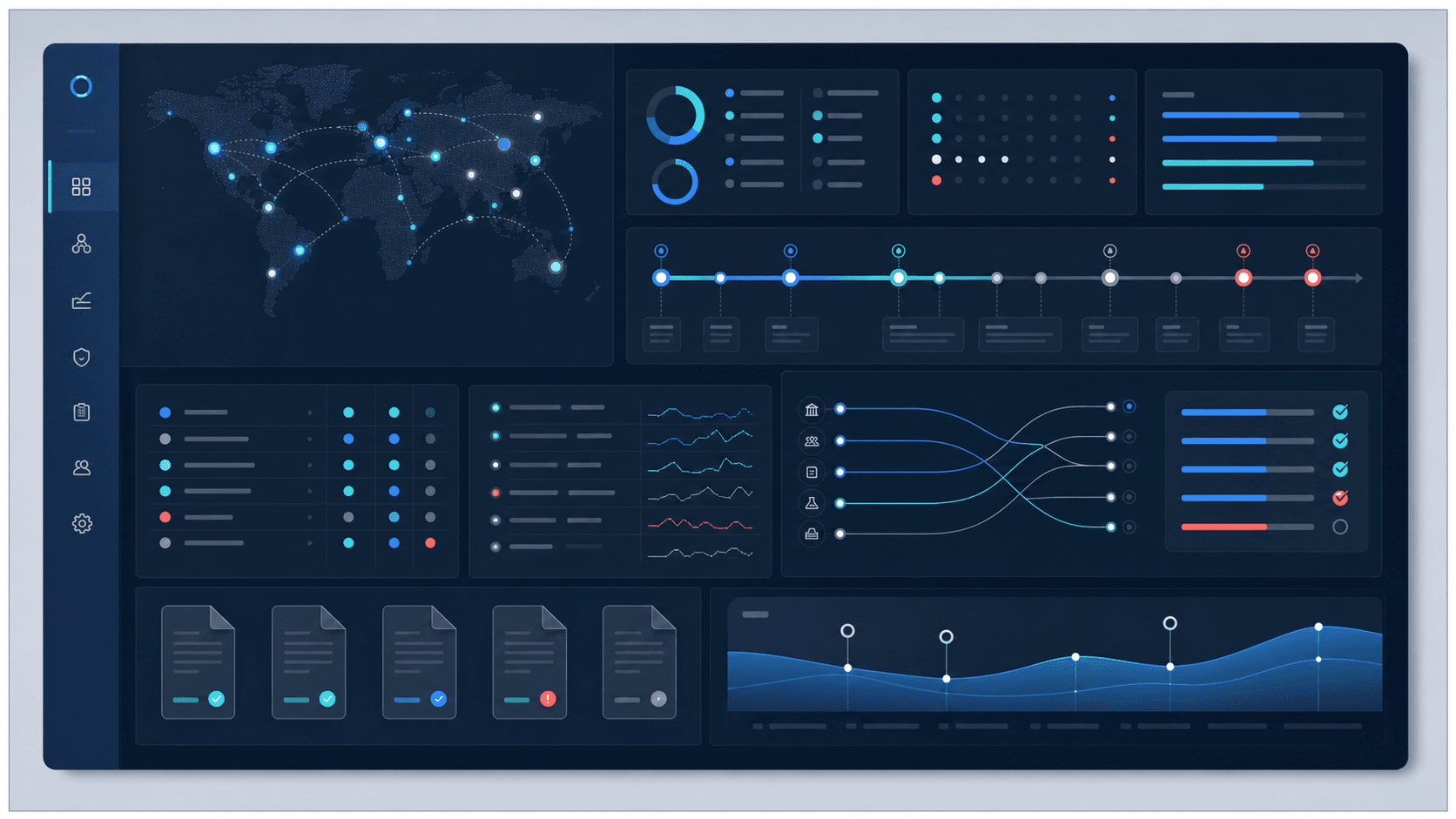
Sponsor team reviewing CRO workflow, site prioritization, and patient distribution dashboards.

Service detail

The problem it solves

Once CRO startup begins, the expensive mistake is not asking too many questions. It is continuing with the wrong sites, wrong regions, or overly optimistic patient assumptions. We help sponsors break the CRO plan into testable execution assumptions: which sites to prioritize, which patient sources matter most, and which screening or testing bottlenecks should be addressed before momentum builds in the wrong direction.

What you share, what we review

  • Current CRO materials: first-wave site list, feasibility summary, startup timeline, budget assumptions, enrollment assumptions, screening flow, and key operational questions.
  • FIH Scout site and PI signals: early-phase oncology experience, mechanism fit, PI workload, similar trial participation, competitive trial density, and regional concentration risk.
  • Patient distribution and source assumptions: cancer type, line of therapy, biomarker status, testing pathway, prior treatment pattern, referral route, and whether current sites match likely patient sources.
  • CRO plan pressure test: screen-failure assumptions, testing capacity, activation timing, first-wave site logic, expansion cadence, and whether patient competition should reorder priorities.
  • RWD feasibility question design where appropriate: de-identified data outputs or third-party data costs are discussed only when sponsor authorization, provider availability, and agreements support that work.

What the deliverable answers

  • CRO acceleration memo identifying which sites, regions, or patient sources should be prioritized, challenged, delayed, or re-diligenced.
  • Site priority and challenge list translating FIH Scout signals into CRO weekly-meeting or startup-meeting questions.
  • Patient distribution assumption review showing whether the current site mix matches target patient sources, testing capacity, and competitive pressure.
  • CRO plan risk flags around screen failure, slow startup, PI overload, biomarker bottlenecks, or regional concentration.
  • Next-action tracker listing what the CRO should provide, what sites should confirm, and what the sponsor should decide internally.
  • One readout call to prepare sponsor-side or CRO-facing discussion.

Boundary

Already have a CRO, but need startup to move with sharper judgment?

Start with non-confidential context and the current CRO stage. We can determine whether site prioritization, patient distribution, or CRO assumption review is the right next step.

01

Accelerates CRO work; does not replace it

We do not perform site startup, monitoring, data management, or project management. We help the sponsor decide which parts of the CRO plan should be prioritized, challenged, or adjusted.

02

No patient-count guarantee

We review patient distribution, screening pressure, and feasibility logic, but do not guarantee patient counts, enrollment speed, or screen success.

03

RWD depends on authorization and availability

Any RWD-related work proceeds only with sponsor authorization, provider availability, appropriate agreements, and compliance boundaries. Public service language does not imply identifiable patient data access.